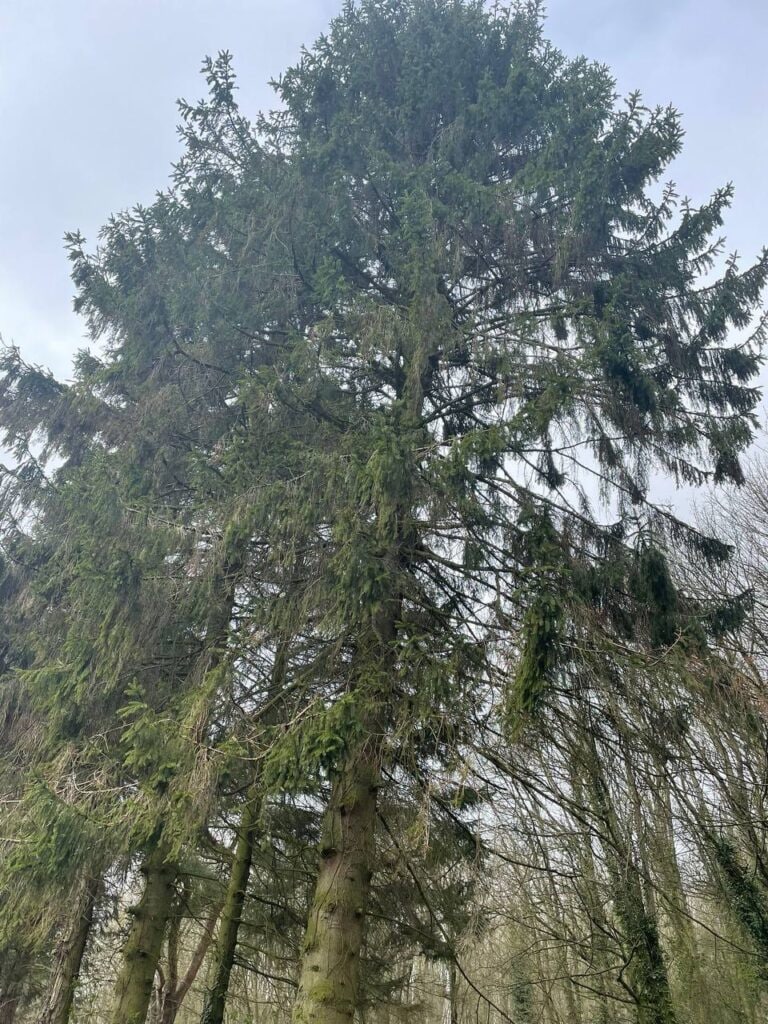
Trees play an essential role in the landscape, but like any living organism, they can become stressed by environmental pressures, structural weaknesses, or adverse growing conditions. When a tree begins to show signs of strain, professional intervention is often necessary to prevent decline and restore its vitality. For homeowners and property managers in Gillingham, tree surgery offers a targeted and effective way to support trees under stress and promote long-term health.
Understanding Tree Stress
Tree stress can arise from a wide range of factors. Poor soil conditions, drought, waterlogging, pests, disease, storm damage, and restricted growing space are all common contributors. Stress rarely appears suddenly; instead, it builds gradually until the tree shows visible signs such as thinning foliage, dead branches, or stunted growth. Identifying and addressing these issues early is key to maintaining a strong, resilient tree.
Reducing the Burden Through Selective Pruning
One of the most effective methods of relieving tree stress is selective pruning. By carefully removing overcrowded, damaged, or diseased branches, a tree surgeon reduces the weight burden on the structure. This improves airflow throughout the canopy, enhances access to light, and allows the tree to redirect energy to healthier growth.
In stressed trees, this reduction in unnecessary load is particularly valuable, enabling the tree to recover and develop stronger, more stable branches.
Improving Tree Structure and Stability
Structural problems are a common source of stress. Poor growth patterns, weak branch unions, and storm-damaged sections can place strain on the tree, making it vulnerable to further decline. Through targeted pruning and, when necessary, crown reshaping, tree surgeons help restore structural balance.
Improving structure not only supports the tree’s long-term health but also reduces the risk of falling limbs, making the surrounding area safer.
Supporting Recovery from Damage or Disease
Trees dealing with pests, fungal infections, or storm damage often benefit greatly from professional surgery. Removing infected or compromised material prevents the spread of disease and allows the tree to focus its resources on healing and regeneration.
This proactive approach ensures that the problem is tackled early, helping to preserve both the health of the affected tree and the wider landscape.
Encouraging Healthy Growth and Regeneration
Tree surgery stimulates new, healthier growth by creating the right conditions for recovery. With improved airflow, better light penetration, and reduced structural strain, trees respond by producing stronger branches and revitalised foliage. This restoration process strengthens the tree’s overall vigour, making it more resilient against future challenges.
Enhancing the Environment Around the Tree
Trees under stress often struggle because the surrounding environment is limiting their ability to thrive. Tree surgery can help correct this by removing problematic branches, improving access to sunlight, and reducing competition for nutrients. When the surrounding conditions are optimised, the tree has a better chance of returning to full health.
Conclusion
Tree surgery is a vital tool for supporting trees showing signs of stress. By addressing structural issues, improving airflow, reducing strain, and tackling disease or damage, professional tree surgeons help restore vitality and ensure the long-term wellbeing of your trees.
If you have trees in Gillingham that appear to be under stress, Gillingham Tree Surgeons is here to assist. Contact us today to discuss your concerns and arrange a suitable time for an expert assessment.
Call us on: 01634 564698
Click here to find out more about Gillingham Tree Surgeons
Click here to complete our contact form and see how we can help with your tree care needs.